




Building vs. Buying: Why New Construction Wins in 2024
Read More
.svg)
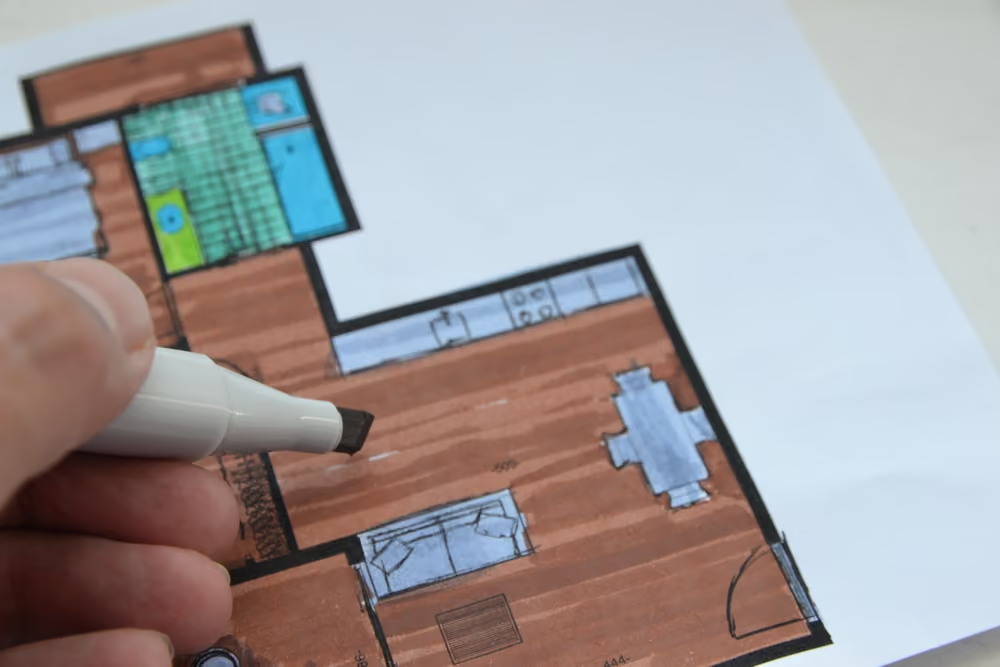
In Tulsa, many builders use the word custom loosely. Understanding the difference between a semi-custom home and a fully custom home before you sign anything can save you time, money, and disappointment.
Semi-custom homes are built from a set of pre-designed floor plans. Buyers are typically allowed to make some changes, such as selecting finishes, adjusting minor layout details, or adding limited upgrades.
This option works well for buyers who like an existing plan and want fewer decisions. However, flexibility has boundaries. Structural changes may be restricted or costly, and design selections often come from a curated menu rather than unlimited options.
Semi-custom homes can feel custom on the surface, but they are still designed to fit a system.
A fully custom home starts with a blank slate. The layout is designed around your lifestyle, your lot, and your long-term needs.
Buyers have control over:
• Floor plan and room flow
• Structural elements
• Materials and finishes
• Functionality and storage
• Outdoor living spaces
Every decision is intentional, and nothing is assumed. This level of customization allows the home to feel personal and purposeful, not just different from the neighbor’s.
Semi-custom homes often feel simpler at first, but limited flexibility can lead to compromises. Fully custom homes require more upfront planning, but they reduce the likelihood of mid-build changes and regret.
Understanding which approach fits your lifestyle, decision-making style, and expectations is critical. Problems arise when buyers expect full customization from a semi-custom process.
The key isn’t choosing one option over the other. It’s knowing exactly what you’re getting.
When expectations align with reality, the building experience becomes smoother, more predictable, and far more enjoyable. That clarity prevents budget surprises and ensures the finished home truly reflects how you want to live.